(Embracing) Cultural Diversities

The culture of South Africa is one of the most diverse in the world. The country boasts of an impressive eleven official languages and other several recognized languages, with each of the group having its own vibrancy and culture. A substantial majority of the South Africans still live in the rural areas where cultural traditions have survived. However, urbanization and adoption of new technology across the country have led to the decline in the traditional cultures. English and other foreign languages are slowly replacing the native languages.
 
Many people across the United States, especially in what is considered the southern United states traditionally eat some variation of "Hoppin John" on New Years day.
The black beans (cow peas) in the dish are said to symbolize good luck and new beginnings among other things.
 
Australia is a home for interesting Prime Ministers. From Prime Minister Harold Holt’s disappearance, then to Prime Minister Bob Hawke. The former Prime Minister Bob Hawke set a world record for sculling 2.5 pints of beer in just 11 seconds. As a result, he set a record in the Guinness Book of Records.

Canberra , in the Australian capital territory, is the capital city of Australia, where parliament gathers. It comes from an Aboriginal word meaning meeting place, however it also means cleavage, as it is set in the valley between mountains.
 
Im learning new concepts (to me) in sociology so I thought I'd share... then open it up to you!
  • Share something unique or weird with us about your country or culture
  • This includes subculture (smaller groups within society) and counterculture (groups that are opposed to the society norm)
  • You can share something about another culture but keep it fucking respectful! :)
  • Follow all rules of FCN
Cultural relativism- the principle of understanding other cultures on their own terms, rather than judging or evaluating according to one's own culture.

You might think other cultures are weird but we ALL do weird things because every culture has their own norm!

When I taught HS Sociology, I used this activity. I always enjoyed watching them go through it and then laugh when they have to be told or the singles who figure it out and I see the light in their eyes glow. Love those moments.
 
Some dress codes of some of the cultures in ZA

Zulu

Traditional clothing is an important part of Zulu culture. ... Unmarried girls' clothing include long strips of twisted beads called “izincu” around their ankles, elbows and waists. Young girls also wear short beaded skirts, colourful necklaces and beaded headbands. Children wear bead-work around their waists and necks.
download.jpeg-8.jpg

Xhosa

Xhosa men wear wraparound skirts that run down from the waist to the feet. They throw a long scarf over one shoulder, which also serves as a cloak when it gets cold. They wear headdresses made from beads or cloth, depending on the customs of their tribes.

images.jpeg-268.jpg

SePedi

SePedi attire is made mostly in combinations of bright pinks, turquoise, Yellow sometime blue and white. ... Doeks or headscarfs also form part of the Pedi traditional Attire. Much like most cultures in South Africa, The Pedi people, are renowned for their bead work designs with rich colours.
images.jpeg-266.jpg

Sotho

The women of Basotho are known to put on long skirts and dresses with variant colors while a blanket is placed on top to keep warm. The traditional clothing for occasions worn by women is the Seshoeshoe. The men of Basotho wear woolen caps or balaclavas to protect themselves from cold and dust, especially the herders.

images.jpeg-265.jpg
 
Some dress codes of some of the cultures in ZA

Zulu

Traditional clothing is an important part of Zulu culture. ... Unmarried girls' clothing include long strips of twisted beads called “izincu” around their ankles, elbows and waists. Young girls also wear short beaded skirts, colourful necklaces and beaded headbands. Children wear bead-work around their waists and necks.
View attachment 291673

Xhosa

Xhosa men wear wraparound skirts that run down from the waist to the feet. They throw a long scarf over one shoulder, which also serves as a cloak when it gets cold. They wear headdresses made from beads or cloth, depending on the customs of their tribes.

View attachment 291674

SePedi

SePedi attire is made mostly in combinations of bright pinks, turquoise, Yellow sometime blue and white. ... Doeks or headscarfs also form part of the Pedi traditional Attire. Much like most cultures in South Africa, The Pedi people, are renowned for their bead work designs with rich colours.
View attachment 291675

Sotho

The women of Basotho are known to put on long skirts and dresses with variant colors while a blanket is placed on top to keep warm. The traditional clothing for occasions worn by women is the Seshoeshoe. The men of Basotho wear woolen caps or balaclavas to protect themselves from cold and dust, especially the herders.

View attachment 291676
Khoisan

Generally the Khoisan wore a bundle of cloth around the genital area, similar to underwear, and braided necklace for men. The women covered their breasts with a stip of cloth and wore skirts of the same fabric.

View attachment 291677
I love these. Thank you.
 
The Kaapse Klopse, formerly known as the Coon Carnival and officially called Cape Town Minstrel Carnival, is a Cape coloured minstrel festival that takes place annually on 2 January in Cape Town, South Africa. It is also referred to as Tweede Nuwe Jaar (Second New Year). As many as 13,000 minstrels take to the streets garbed in bright colours, either carrying colourful umbrellas or playing an array of musical instruments. The minstrels are self-organised into klopse ("clubs" in Kaapse Afrikaans, but more accurately translated as troupes in English). The custom has been preserved since the mid-19th century.

People consider the festival a rite of renewal that has been shaped by the Cape's history. The events that are associated with Klopse in the festive season include competitions for the Christmas choirs, Cape Malay choirs, and Cape minstrel choirs.

images.jpeg-278.jpg images.jpeg-279.jpg images.jpeg-280.jpg
 
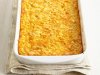
My father's mother was African American and Cherokee. The only time we ever saw her native side was on the holidays. Her table was never complete without corn pudding. A very old native American dish in the Carolinas, N. Carolina 1382539007826.jpeg.jpg
 
Last edited:
My mother's mother was an "ethmix" from Alabama. She was English, black, Choctaw and Cree.
She definitely got double takes along with her family for their looks. Being from southern families I do have my moments. And people know the southdownload.jpeg-72.jpg loves food and tradition. My grandmothers was making a Lane Cake on Christmas. The cake originated in Alabama and takes several hours to prepare aided by a lot of bourbon.
 
Last edited:
I think having family (grandmother) who was raised at the end of Reconstruction and then The Jim Crow era molded me. She valued education from which she was denied and had determination that hasnt been seem since. Quiet, dignified, not really affectionate, but loved. She never discussed the horrors she had seen in the South and looking back it was probably trauma. All she wanted was for us to go further in this world 20220227_232015.jpg
 
Last edited:

Trending content

Back
Top