
Another true story:
After the air campaign against Iraq opened in January 1991, Saddam started launching Scud missiles at Tel Aviv, Israel. The Israelis were persuaded not to respond to the attacks by the promise that the coalition air forces would hunt the mobile Scud launchers in Iraq's west desert. It wasn't long before special forces, starting with the British SAS, were operating in what became known as "Scud Alley."
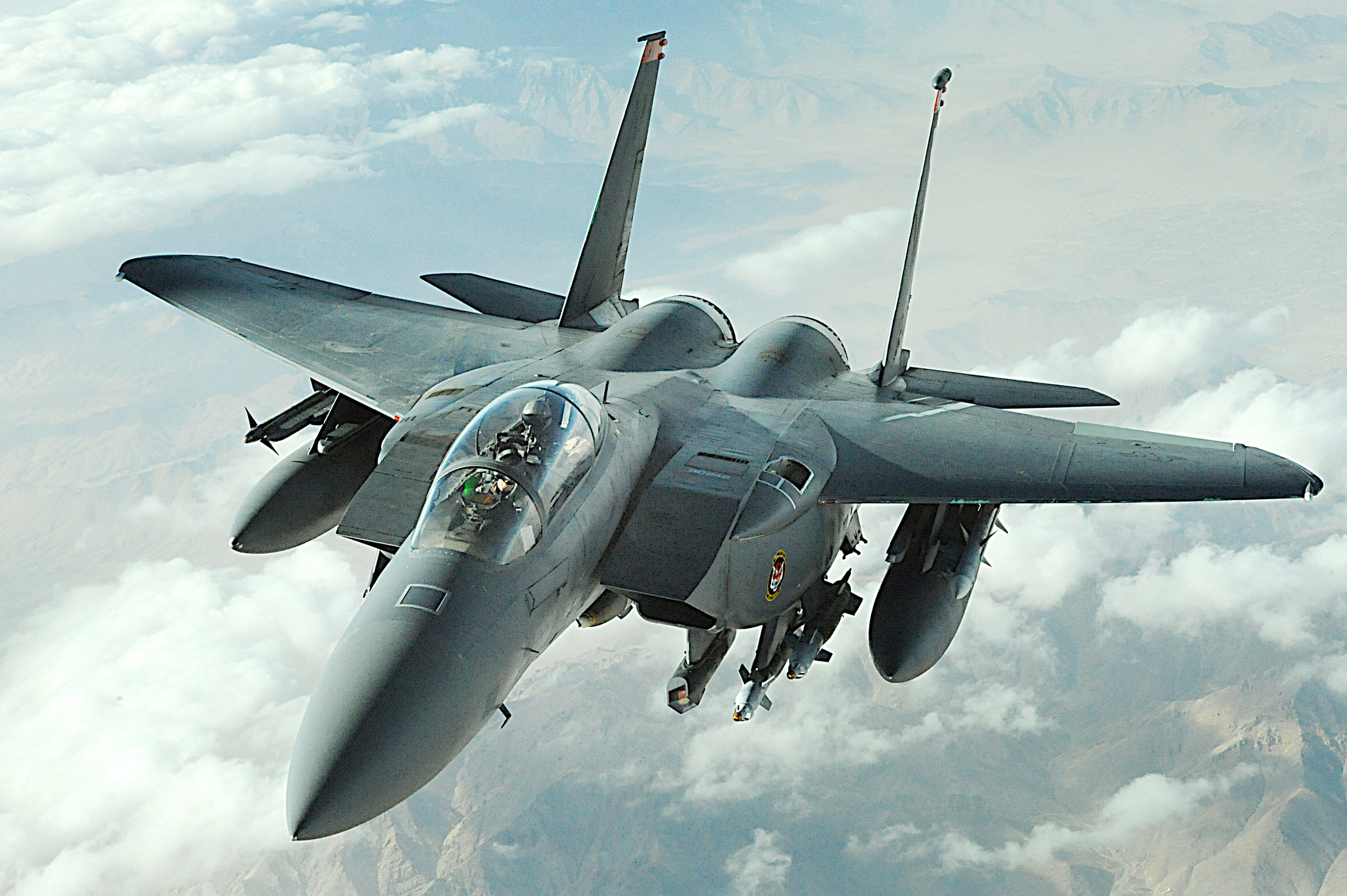
Among the aircraft on Scud patrol were the F-15E Strike Eagles of the 4th Tactical Fighter Wing. After the war the Strike Eagle pilots would report that their most satisfying missions were those in support of the special forces operating in Scud Alley. But two crewmen, a pilot and a weapon systems officer (WSO) would tell a story about a mission that was more than satisfying, one that made history.
On night February 13, Captains Tim "TB" Bennett and Dan "Chewie" Bakke, flying as Packard Four-One, were tasked to hit an SA-3 SAM site near Al Qaim. As they were mapping the target they got an urgent call over the radio from AWACS -- the Boeing 707s with the big dish on top. Bennett and Bakke broke off their attack and sent their wingman to high cover.
In the back seat Bakke plugged in the target coordinates given by the AWACS and saw that they were in the middle of a no-drop zone. He took that to mean it was a zone where special forces were operating. He called the AWACS, call sign "Cougar" and got a confirmation on the coordinates. As best as Bakke can recall, the conversation went like this:
Cougar: "There are three Iraqi helicopters dismounting troops with possible friendlies in contact. Kill all helicopters."
"Kill" was a directive to commit on a target with clearence to fire -- with no identification required.
Bakke: "Kill all helicopters?
Cougar: "Roger, kill all helicopters."
Fifty miles out, two bogeys appeared on Bakke's radar. After a quick conversation Bennett and Bakke decided to drop one of their laser-guided bombs (LGB) if they could ID them as helicopters. Actually, what Bakke had on his radar were the spinning rotors. He wasn't getting any air speed indications, so he was pretty sure they were sitting on the ground.
If Bakke could get the helicopters on his infrared targeting pod they would drop. At the very least they would get the Iraqis attention and divert them from the special forces on the ground. But if they started moving then Bennett would turn back in and take a shot with a heatseaking AIM-9 Sidewinder missile. The main idea was to get something on the enemy quickly, to let them know they had company.
The Strike Eagle broke through the weather at 3,000 feet, and a moment later the crew could see the Triple A -- anti-aircraft artillery -- coming up at them. Fifteeen miles from the contacts, Bakke got them on the targeting pod.
"I'm looking solely through the pod now," related Bakke after the war. "It's infrared and the helicopters are hot and the rotors looks like discs. I have two of the three and we're assuming they are on the ground."
Bennett took them in and Bakke released his LGB on cue. Then the pilot started a left-hand turn so the WSO could track the target.
"I'm doing the laser," said Bakke, "putting it on the white spot, waiting. We released the bomb about six miles away and it has over thirty seconds time of flight."
"Meanwhile," said Bennett, "I'm looking at the radar. . . . About ten seconds after the bomb comes off, I start seeing an air speed readout on the radar. I'm thinking, this thing is moving; go back into air-to-air and bring up an AIM-9. Meanwhile, Dan is tracking it big time, but I'm thinking [crap], this bomb is never going to make it. I'm starting to jink around -- they're firing some Triple A -- but I can't jink too much -- It's hard enough back there keeping the laser on the spot without me giving him any more problems."
By now Bakke can see his target moving. According to the troops on ground, the helicopter was between 800 and 1,000 feet when the bomb hit the cockpit. Bennett made a hard left and started calling up a Sidewinder. He also told his wingman to attack with his six Mark 82 dumb bombs -- there were a limited number of targeting pods in 1991, so F-15Es patrolled in pairs with one carrying LGBs and the other Mark 82s.
Bakke got on the radio as well, calling AWACS.
"Cougar, Packard Four-One, splash one helicopter. Engaging second."
But now the Cougar is confused, asking for confirmation that they had ID'd the helicopter as Iraqi. Bakke told Cougar to get off the scope and put Hammer on. Hammer was the individual on AWACS with the authority to commit. While the F-15E circled, the crew trying to get confirmation on whether to engage, the second helicopter escaped to the north. Finally, because of low fuel, Packard Four-One turned south for the border and the tankers.
Hammer got on the radio eventually with a "yeah, you are okay." After getting some fuel they ran back to the north hoping to get the second helicopter. But Cougar had vectored another flight in and Bennett and Bakke found themselves under a rain of twenty-four Mark 82s. For their own safety, the beat it back home to Al Kharj Air Base in Saudi Arabia.
Bakke called the special forces liaison up at the Tactical Air Command and Control Center (TACC) trying to get confirmation that their guys were safe. Six hours later he got a call from TACC with confirming that the special forces were safe and that they had witnessed the explosion of the helicopter. Bennett and Bakke made history with the first aerial victory using a laser-guided bomb.
[Source: Strike Eagle: Flying the F-15E in the Gulf War by William L. Smallwood (Brassey's: Dulles, Virginia, 1994) pgs 144-148.]
After the air campaign against Iraq opened in January 1991, Saddam started launching Scud missiles at Tel Aviv, Israel. The Israelis were persuaded not to respond to the attacks by the promise that the coalition air forces would hunt the mobile Scud launchers in Iraq's west desert. It wasn't long before special forces, starting with the British SAS, were operating in what became known as "Scud Alley."
Among the aircraft on Scud patrol were the F-15E Strike Eagles of the 4th Tactical Fighter Wing. After the war the Strike Eagle pilots would report that their most satisfying missions were those in support of the special forces operating in Scud Alley. But two crewmen, a pilot and a weapon systems officer (WSO) would tell a story about a mission that was more than satisfying, one that made history.
On night February 13, Captains Tim "TB" Bennett and Dan "Chewie" Bakke, flying as Packard Four-One, were tasked to hit an SA-3 SAM site near Al Qaim. As they were mapping the target they got an urgent call over the radio from AWACS -- the Boeing 707s with the big dish on top. Bennett and Bakke broke off their attack and sent their wingman to high cover.
In the back seat Bakke plugged in the target coordinates given by the AWACS and saw that they were in the middle of a no-drop zone. He took that to mean it was a zone where special forces were operating. He called the AWACS, call sign "Cougar" and got a confirmation on the coordinates. As best as Bakke can recall, the conversation went like this:
Cougar: "There are three Iraqi helicopters dismounting troops with possible friendlies in contact. Kill all helicopters."
"Kill" was a directive to commit on a target with clearence to fire -- with no identification required.
Bakke: "Kill all helicopters?
Cougar: "Roger, kill all helicopters."
Fifty miles out, two bogeys appeared on Bakke's radar. After a quick conversation Bennett and Bakke decided to drop one of their laser-guided bombs (LGB) if they could ID them as helicopters. Actually, what Bakke had on his radar were the spinning rotors. He wasn't getting any air speed indications, so he was pretty sure they were sitting on the ground.
If Bakke could get the helicopters on his infrared targeting pod they would drop. At the very least they would get the Iraqis attention and divert them from the special forces on the ground. But if they started moving then Bennett would turn back in and take a shot with a heatseaking AIM-9 Sidewinder missile. The main idea was to get something on the enemy quickly, to let them know they had company.
The Strike Eagle broke through the weather at 3,000 feet, and a moment later the crew could see the Triple A -- anti-aircraft artillery -- coming up at them. Fifteeen miles from the contacts, Bakke got them on the targeting pod.
"I'm looking solely through the pod now," related Bakke after the war. "It's infrared and the helicopters are hot and the rotors looks like discs. I have two of the three and we're assuming they are on the ground."
Bennett took them in and Bakke released his LGB on cue. Then the pilot started a left-hand turn so the WSO could track the target.
"I'm doing the laser," said Bakke, "putting it on the white spot, waiting. We released the bomb about six miles away and it has over thirty seconds time of flight."
"Meanwhile," said Bennett, "I'm looking at the radar. . . . About ten seconds after the bomb comes off, I start seeing an air speed readout on the radar. I'm thinking, this thing is moving; go back into air-to-air and bring up an AIM-9. Meanwhile, Dan is tracking it big time, but I'm thinking [crap], this bomb is never going to make it. I'm starting to jink around -- they're firing some Triple A -- but I can't jink too much -- It's hard enough back there keeping the laser on the spot without me giving him any more problems."
By now Bakke can see his target moving. According to the troops on ground, the helicopter was between 800 and 1,000 feet when the bomb hit the cockpit. Bennett made a hard left and started calling up a Sidewinder. He also told his wingman to attack with his six Mark 82 dumb bombs -- there were a limited number of targeting pods in 1991, so F-15Es patrolled in pairs with one carrying LGBs and the other Mark 82s.
Bakke got on the radio as well, calling AWACS.
"Cougar, Packard Four-One, splash one helicopter. Engaging second."
But now the Cougar is confused, asking for confirmation that they had ID'd the helicopter as Iraqi. Bakke told Cougar to get off the scope and put Hammer on. Hammer was the individual on AWACS with the authority to commit. While the F-15E circled, the crew trying to get confirmation on whether to engage, the second helicopter escaped to the north. Finally, because of low fuel, Packard Four-One turned south for the border and the tankers.
Hammer got on the radio eventually with a "yeah, you are okay." After getting some fuel they ran back to the north hoping to get the second helicopter. But Cougar had vectored another flight in and Bennett and Bakke found themselves under a rain of twenty-four Mark 82s. For their own safety, the beat it back home to Al Kharj Air Base in Saudi Arabia.
Bakke called the special forces liaison up at the Tactical Air Command and Control Center (TACC) trying to get confirmation that their guys were safe. Six hours later he got a call from TACC with confirming that the special forces were safe and that they had witnessed the explosion of the helicopter. Bennett and Bakke made history with the first aerial victory using a laser-guided bomb.
[Source: Strike Eagle: Flying the F-15E in the Gulf War by William L. Smallwood (Brassey's: Dulles, Virginia, 1994) pgs 144-148.]


